In less than three weeks, the EURO MOTO will kick off its inaugural season at the Sachsenring. This marks the start of a new chapter for Germany’s premier motorcycle racing series, which many know by its former name. In December 2025, the “International German Motorcycle Championship” (IDM) became the EURO MOTO. And soon, the real action will begin.
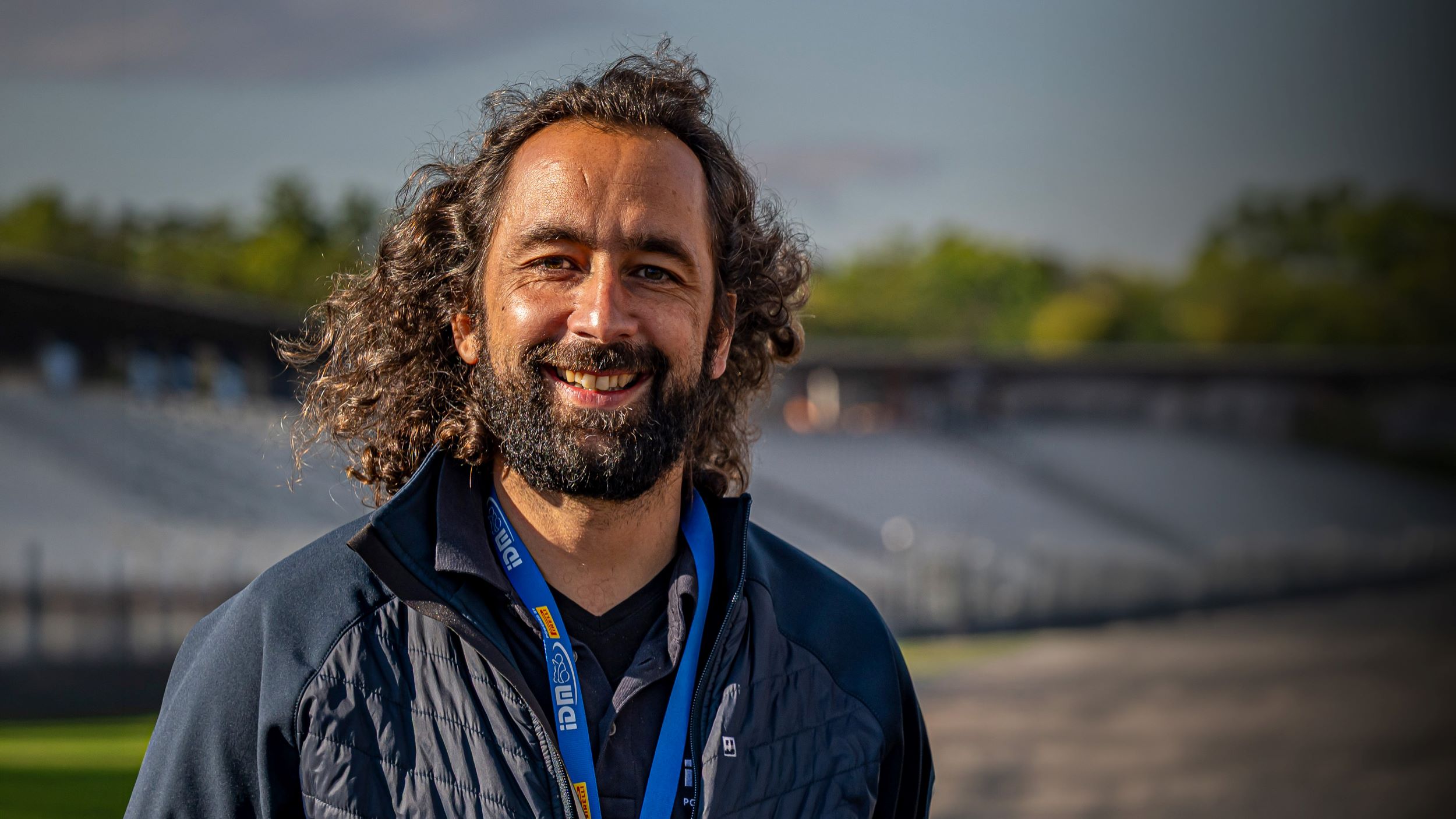
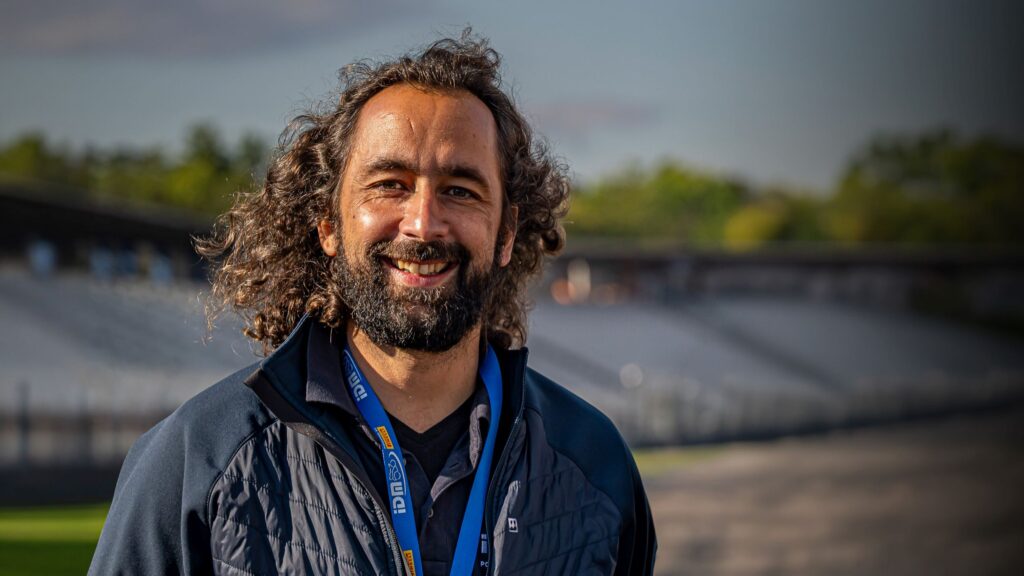
Series manager Normann Broy explains the reasoning behind the new name in a detailed interview onthe “Gasgeflüster”podcast. In the interview, he speaks with hosts Jan Brützel and Michael Praschak with rare candor about the background of the series, current challenges, the costs of a race weekend, and the series’ long-term goals.
Why the IDM Became the Euro Moto
It quickly becomes clear during the podcast conversation that this is about much more than just a new name. The focus is on actively developing the series further and on the need to adapt to changing conditions. “We’re in a niche sport that’s becoming increasingly difficult financially,” says Broy. At the same time, the field of riders has also changed. “We have more and more international competitors,” he explains, while the pool of young talent from Germany is currently insufficient to fill all classes on its own.
It was precisely this trend that gave rise to the idea for EURO MOTO. The shift was away from a purely national championship toward a series that is deliberately structured on a European scale. “Many international riders didn’t really understand the term ‘International German Championship,’” said Broy. Consequently, it was difficult for them to promote and publicize the series in their home countries.
Going forward, the series is therefore set to take on a more international profile, making it more attractive to partners and sponsors who want to promote themselves not only domestically but also internationally. The same goes for the drivers themselves. A concrete step is already in the works: “We also want to stream the live broadcast in English on Sundays,” says Broy. This should make it much easier to reach drivers, teams, and fans outside of Germany.
Between Costs, Expectations, and the Future
Behind the scenes, organizing a racing series like this is becoming increasingly challenging. Race tracks, operations, safety, and staffing all entail high costs. “It’s becoming increasingly difficult to put a championship like this on a solid footing,” Broy sums it up. At the same time, the series is intended to continue serving as a stepping stone to higher-level championships, such as the World Championship. This is precisely where the new direction is intended to take effect, in order to create more stability in the long term and make the series more visible.
As for the sport itself, however, nothing is set to change. On the contrary. “The level of competition is extremely high. We just need to show it better,” says Broy. In doing so, he also dispels a widespread misconception: “There’s always been this mindset that the series is dead. That’s total nonsense. Just look at the races, look at the level of competition.”
Normann Broy sees a similar example in German auto racing: “A few years ago, people were saying the DTM was dead. Now it’s once again a really great, exciting product that’s back in the media spotlight.” That’s exactly the direction motorcycle racing should be heading in as well.
The focus is clearly on the future. More spectators at the track, a wider reach for the livestream, “and, looking ahead, a more extensive race calendar” are among the goals for the coming years.
The nearly 60-minute podcast episode offers many more behind-the-scenes insights. In addition to the background on the name change, it also covers topics such as funding and regulations, the selection of race tracks, and the series’ future plans. The podcast is available on Spotify, YouTube, and all major platforms.